

On Indignation and the African Diaspora (A Response)
When ruminating about my place in the world, my father falls back on an old Yoruba adage, Ko seku Ko seyanÀdán: neither a rodent, nor a bird, a bat. Bats, the only mammals that fly, inhabit both the sky and earth; and accordingly, I, like many of my Diasporan contemporaries (those born on the continent but raised or educated elsewhere, those born in a non-African country to African parents, a dual-citizen of an African country and another country) are neither here nor there. Influenced by a myriad of cultures, our lives often crisscross continents. How we parlay our unique perspective to Africa’s benefit is of enormous importance, and one I think many struggle to define.
That’s why Marissa Jackson’s article on unnecessary indignation, particularly on the part of privileged Africans in the Diaspora, was especially disconcerting. Indignation, righteous or not, is something I do quite confidently. Along with the auburn framed Masters Degree in Comparative African Studies that hang in my parent’s living room, and my raggedy green Nigerian passport, it’s quite easy for me to assert my expertise. Without much trepidation, I legitimized many stances because of my academic and familial ties to the Continent.
However, my expertise often leaves much to be desired. A few months ago, I came across the 2012 Burberryresort collection, which utilized Dutch wax prints that are often and nauseatingly described as tribal or Africanprints. Reviewers praised the collection’s borrowed African aesthetic and Vogue described it as “reminiscent of the wax-print technique used in Ghana.” Upon seeing the collection, I noted the appropriation of African aesthetics and began to pen my response.
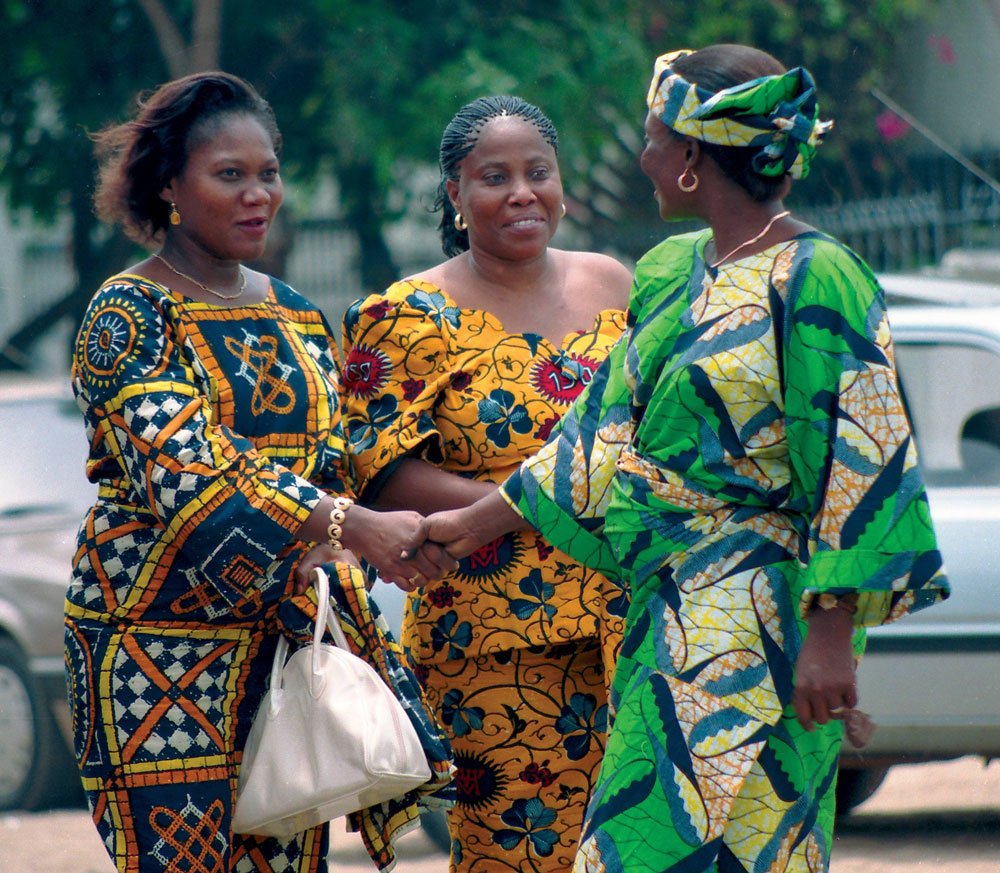
Then I learned that what Yorubas refer to as ankara, so ubiquitous in my closet that it requires its own designated ottoman, did not originate on the Continent. The intricate history of the ankara began on the island of Java (Indonesia), made its way to Holland, then to the Gold Coast (Ghana), and eventually became a marker of West African identity.
Oh.
This embarrassing anecdote aside, I have noticed that many in the Diaspora spend a considerable amount of time defending and retorting, and mostly online: opinions against KONY2012, the twitter campaign against a ONE intern, a refugee app, the Failed State Index, the Sullivan Foundation Summit, etc. It seems that some in the Diaspora have gotten incredibly apt at challenging Western-based NGOs, either for their support of kleptocratic dictators or for misguided development practices.
This is a good thing. In a world where African governance, education, security, health policies, are discussed and shaped by non-Africans in think-tanks from London and Washington D.C., these dialogues are significant because they add African voices where none exist. With a substantial percentage of citizens from donor countries believing that non-African entities (international NGOs, charity foundations, etc) are just as or even more responsible for addressing development challenges in Africa, members of the African Diaspora are in a strategic position to act as bridge-builders. Our ability to facilitate understanding, particularly by sharing our experience, cannot be underestimated.
A few years ago, I was at a talk about the lack of administrative capacity for taxation in African countries, and four experts – older white men who worked as acclaimed fellows/professors/experts – sat overlooking an audience that mostly resembled them. One of the experts insisted that remittances be considered for taxation. For the expert, taxing remittances was administratively feasible, and was more efficient than completely configuring a nonexistent tax system. Another African woman in the room quickly raised her hand and challenged the expert.
The expert suggesting that remittances be taxed has probably never been behind the window of a Western Union, never received a phone call that this uncle needed emergency surgery, or that that cousin would not be allowed back to university without appropriate funds. The woman and I both understood that remittances were often received from those with very little, and she vehemently made it clear to the expert that using the most vulnerable as a tax base was ridiculous and unfair.
As selective and sanctimonious as it maybe, indignation, both online and offline is more beneficial than harmful. The problem is that we’ve become complacent; and indignation has substituted the real work that’s needed to develop the Continent. Considering our substantial resources (capital, knowledge, access), indignation is far too simple an approach.
I suggest that we follow every indignant tweet/blog post with an offline actionable response. Simply, if you are going to get indignant online, get ready to take action offline. Post an article about TOMS shoes undermining local African economies on facebook, then buy directly from African artisans and encourage others to do the same. Outraged about the Sullivan Foundation’s support of Teodoro Obiang? Support groups like EG Justice; groups working towards a better Equatorial Guinea.
Along with backing up our indignation with action, I also suggest that we shift attention to our respective governments. 30 African governments have established Diaspora ministries/institutions whose primary purpose is to address Diaspora concerns. Although many of these ministries are relatively new and are still building capacity, their existence alone shows that African governments are interested in engaging the Diaspora. Instead of engaging with institutional international intermediaries (NGOS, think tanks) on twitter, why not try to connect with emissaries on the Continent charged with engaging the Diaspora?
To become an indispensable part of developing the Continent, we need to figure out creative avenues to influence change, we need to become actors- drivers of development; solely reacting on social media is just too pitiful of a response to the challenges in front of us.
I’m compiling a list of Representatives who are associated or work within Diaspora Ministries. The list will be continuously updated and is available here.